What happens beneath a mattress can surprisingly affect bedroom conditions, especially because airflow is often limited when a mattress rests directly against a solid surface. Proper ventilation beneath the mattress helps moisture dissipate and keeps the sleeping surface better ventilated over time. A mattress guide for side sleepers may focus primarily on support and pressure distribution, but the underlying bed structure is another factor worth considering when creating a comfortable sleeping environment. Slatted bases, breathable foundations, and appropriate spacing can all influence how air moves around the mattress. Exploring this often-overlooked aspect of bed design helps explain why ventilation beneath a mattress matters for overall bedroom conditions.
Moisture Can Accumulate Beneath a Mattress
People release moisture while sleeping through normal breathing and perspiration. Over time, some of this moisture can enter bedding and the mattress. When air movement around the underside of the mattress is restricted, moisture may take longer to disperse from surrounding materials. The amount varies with temperature, humidity, bedding, mattress construction, and individual circumstances. Ventilation beneath the mattress therefore affects how moisture moves through the sleeping environment, rather than functioning as an independent humidity-control system.
Mattress Materials Affect Airflow
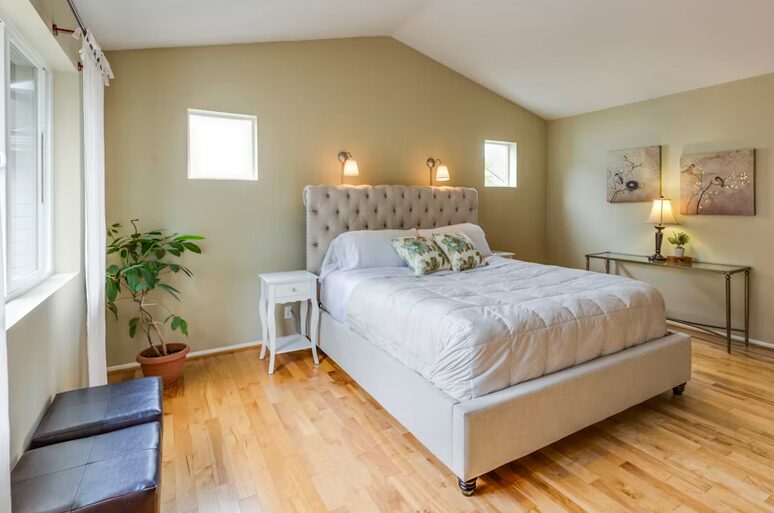
Different mattresses interact with air in different ways. Some constructions contain materials that allow greater internal airflow, while dense foam and tightly compressed layers can behave differently. The supporting base also affects what happens beneath the mattress. Slatted foundations create openings for air to move, whereas solid platforms provide less direct circulation. These differences mean ventilation depends on the combined design of the mattress, foundation, bedding, and surrounding bedroom environment, not mattress construction alone.
Temperature Can Influence Conditions
Temperature affects how moisture behaves within indoor environments. A warm sleeping surface can have different conditions than the surrounding room, especially when body heat and bedding restrict air movement. If the area beneath the mattress remains relatively enclosed, temperature and humidity can develop differently from conditions elsewhere in the bedroom. Air circulation can help these areas exchange air with the surrounding environment. The effect depends on room temperature, humidity, mattress materials, bed construction, and the amount of space available beneath the sleeping surface.
Bed Design Shapes the Sleeping Environment
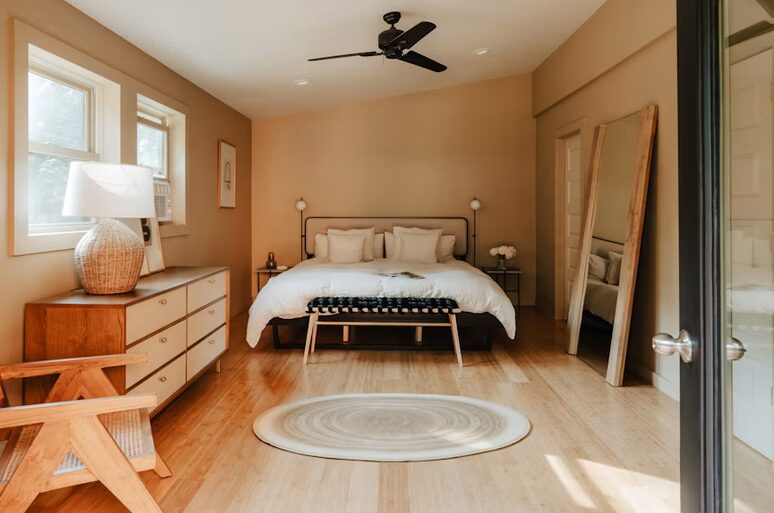
The structure supporting a mattress can influence more than its height and stability. Raised frames and open foundations create a physical gap that lets air circulate beneath, while enclosed designs create a more contained environment. Bedroom conditions also depend on windows, mechanical ventilation, heating, cooling, occupancy, and the materials used throughout the room. Ventilation beneath a mattress should therefore be understood as one component of the overall indoor environment. Its importance comes from how it interacts with the other conditions surrounding the bed.
Ventilation beneath a mattress matters because the space below the sleeping surface can experience different airflow, temperature, and moisture conditions from the wider bedroom. Mattress materials, foundation design, bedding, and room conditions all influence how effectively air moves through this area. An open or raised support structure can provide greater opportunity for air exchange than a completely enclosed arrangement, although it cannot replace general bedroom ventilation. Understanding this relationship helps explain why the design beneath a mattress can affect the broader environmental conditions around a sleeping space.
…

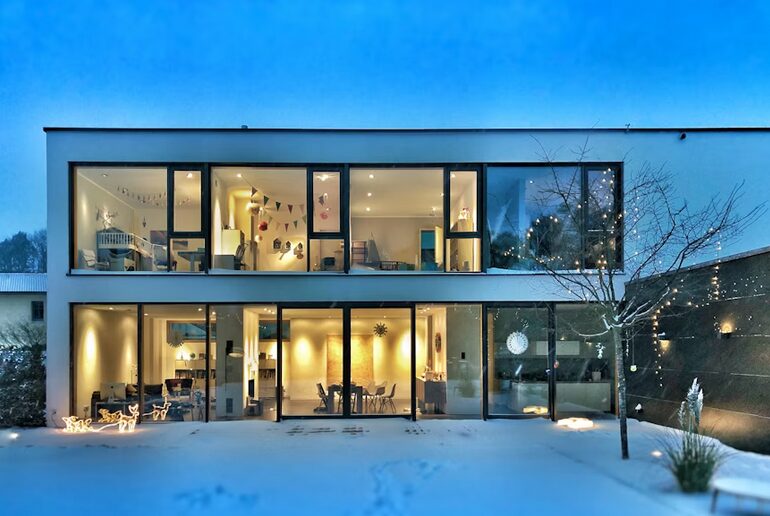








 When it comes to moving to a new home, transportation is a crucial aspect. Thankfully, residential moving companies offer transportation services to ensure that your belongings arrive safely at your new location. Professional movers have the expertise and equipment to transport all types of items, from furniture and appliances to fragile artwork and electronics. They will carefully load your possessions onto their trucks or vans, using proper padding and securing techniques to prevent any damage during transit. The movers will then drive the loaded vehicle to your destination, taking care to navigate through traffic and road conditions. They are experienced in handling large vehicles and know how to handle different terrains or weather conditions.
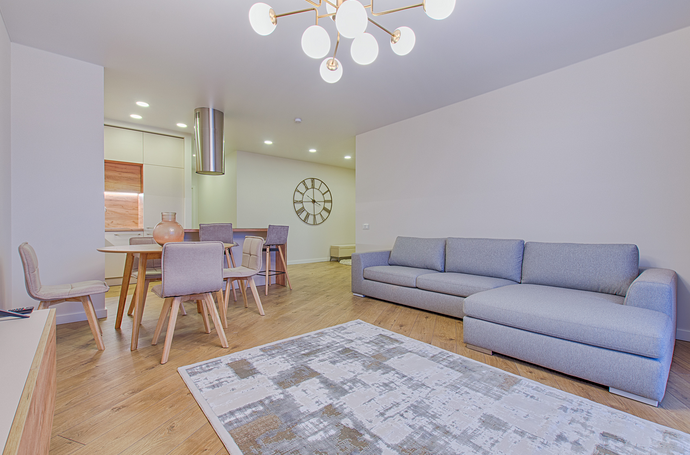

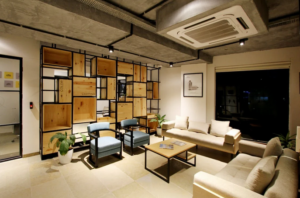 Texture is an often overlooked but powerful element in interior design. Adding layers of texture can elevate a room’s visual interest and coziness. Incorporate textured elements like plush rugs, woven baskets, velvet cushions, and textured wallpapers. Mix and match different materials such as wood, metal, glass, and fabrics to create a dynamic and inviting space.


 Lastly, having smoke and carbon monoxide detectors in your apartment building is essential for keeping your tenants safe. Smoke detectors will alert you if there’s a fire, while carbon monoxide detectors are important for alerting you to dangerous gas levels. It’s also a good idea to have a backup system in place in case the main power source fails so that the detectors can still operate.



 This is a critical first step in the home buying process. Getting pre-approved will give you a better idea of how much house you can afford, and it will also show sellers that you are serious about buying a home. If you’re unsure where to start, ask your bank or lender for recommendations on mortgage brokers or lenders familiar with the VA home loan program. Once you have a list of potential lenders, shop for the best interest rates and terms. Be sure to ask about any special programs or benefits available to military personnel.
 When you are ready to start shopping for a home, comparing offers from multiple lenders is important. Ask about interest rates, loan terms, and any special programs or benefits available.
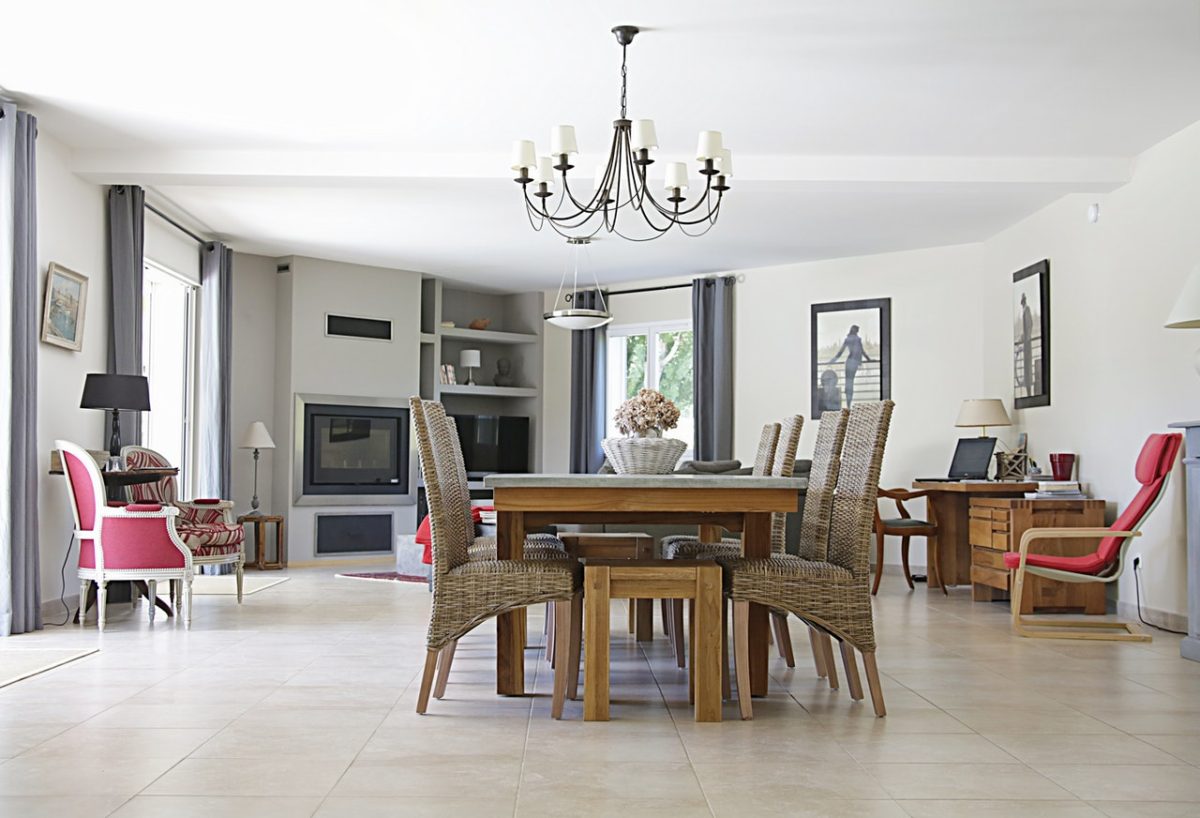
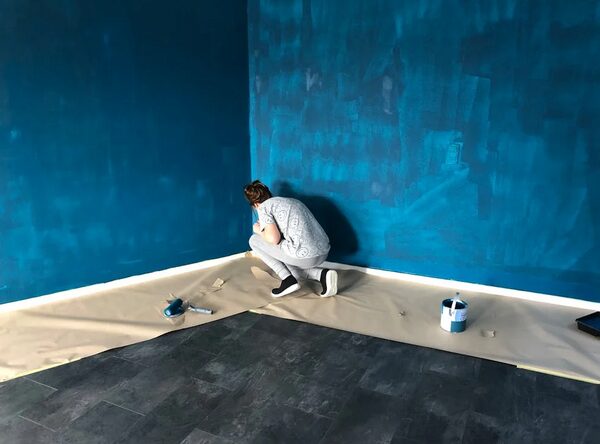
 Color is what being a human is all about. Your favorite color can be an excellent way to brighten up your new home. You can use it in small doses, like adding a vase with fresh flowers or a colorful piece of art. Or go all out and paint a wall or two in your favorite hue. Adding color is an easy and inexpensive way to give any room an instant lift. If you’re unsure what color to choose, look at your wardrobe. Chances are, the colors you wear most often are the ones that make you feel happiest.
 What would be more thoughtful than displaying photos of your family throughout your home? You can create a gallery wall in your living room or hallway or hang individual frames in different rooms. If you want to get really creative, you can even turn some of your favorite family photos into artwork. Plenty of companies will take your photos and turn them into canvas prints or even metal prints. Whatever you choose, make sure the photos are ones you love and tell your family’s story.

 The first thing you need to do when planning your outdoor grill island is to prioritize function over design. It means that you should focus on creating a comfortable and efficient space to cook in rather than one that looks good but doesn’t work well. To do this, start by thinking about what kind of foods you like to cook on your grill and what equipment you need. Do you need a side burner for cooking vegetables? Do you need extra storage space for your grilling tools and supplies? Once you have a good understanding of your needs, then you can start planning the design of your grill island accordingly.
 Last but not least, not only do you need to pick the right appliances and features for your island, but you also need to know where to place them. You want to ensure that your grill is the show’s star and that it’s set in a central location. Other appliances, like your side burner and storage space, can be placed around the island’s perimeter. And if you have a sink or fridge on your island, leave enough space around them to quickly access them when needed.